
Biographies & parcours des intervenant·e·s
-
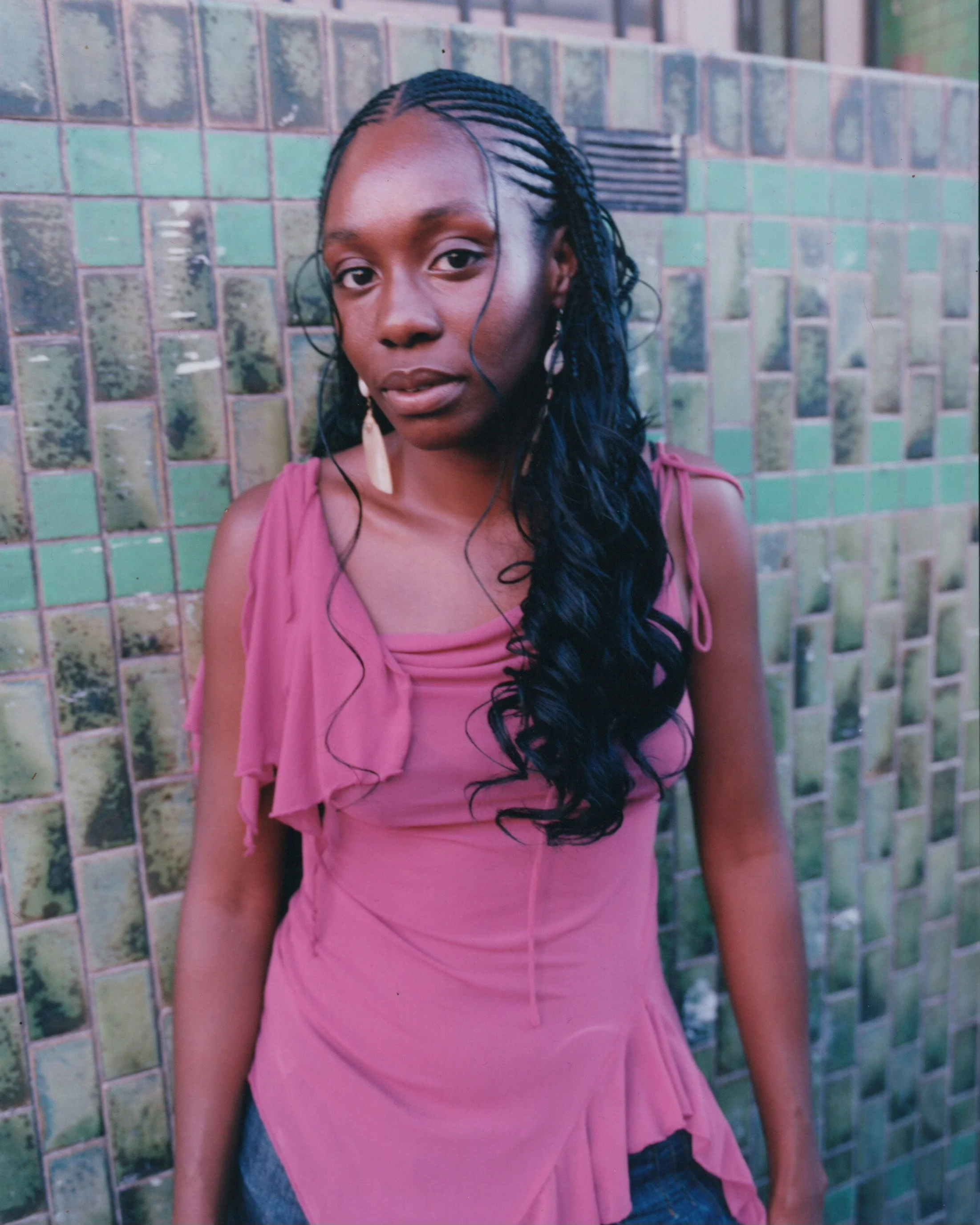
Afi Venessa Appiah (Afi/ Anteism Books/ NYU Tisch)
I am a 29-year-old theorist who can remember being a 10-year old writer and who expects to someday be an 80-year old writer. I’m also comfortably reclusive – a hermit butterfly in the middle of New York – a latent sojourner, a reluctant cynic when I’m not careful, a questioning feminist, a Black African; an oil-and-water combination of zeal, lull, insecurity, certainty, and intensity.
Photo © Guillaume Medar
-
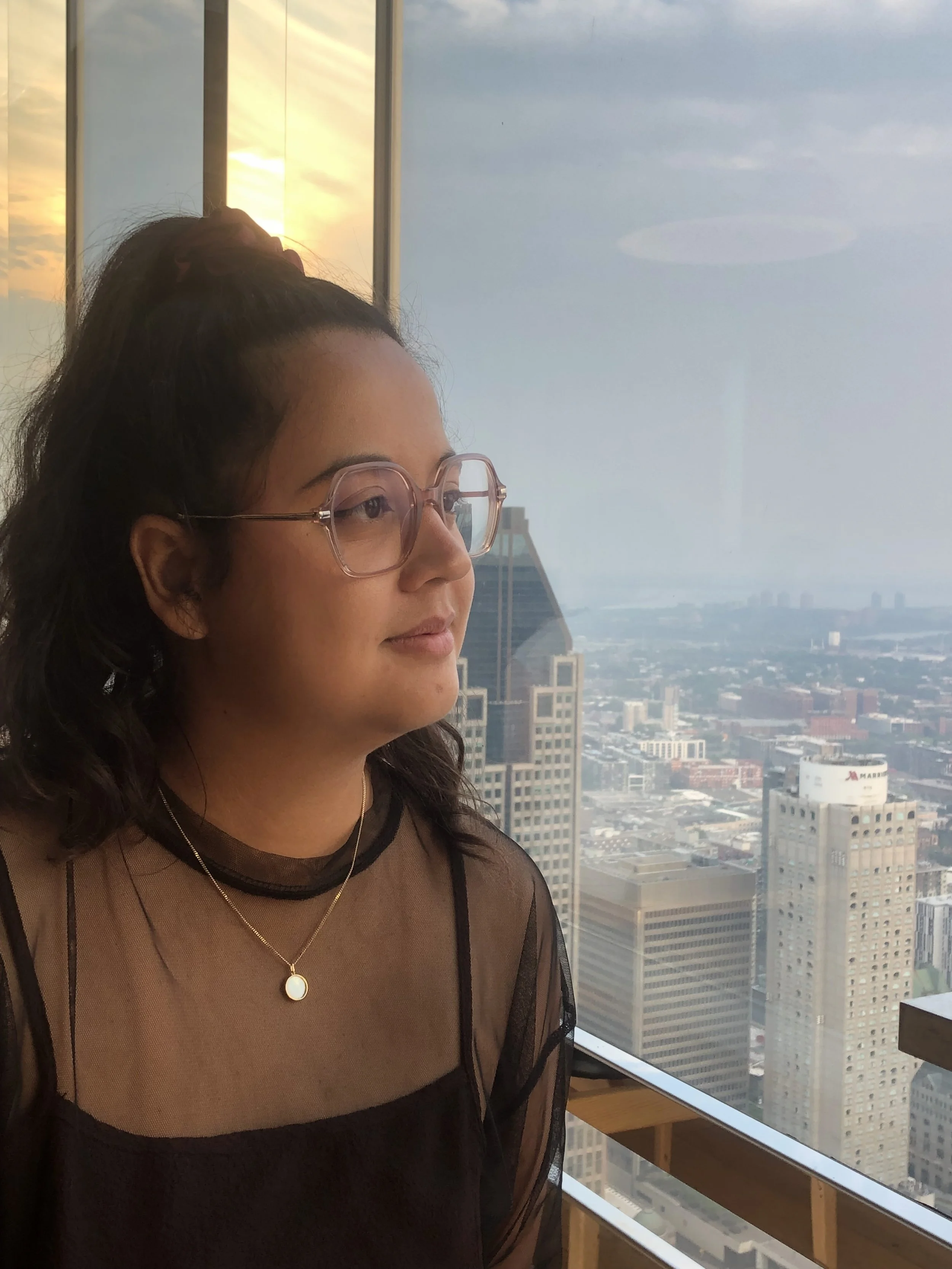
Mélissa Andrianasolo (Université du Québec à Montréal / La Couleur de l'Art)
Mélissa Andrianasolo est doctorante en histoire de l'art à l'Université du Québec à Montreal (UQAM). Ses recherches portent sur la praxis des artistes afrodecendant·e·s dans les espaces artistiques de la ville de Montréal. Elle du balado La Couleur de l’Art.
Photo © Mélissa Andrianasolo
-

Lori Beavis (daphne)
Lori Beavis is the Director of daphne, the first Indigenous artist-run centre in Tiohtià:ke/ Mooniyang/ Montreal. She is also an independent curator. Her curatorial work articulates narrative and memory in the context of family and cultural history and identity, art education and self-representation. Identifying as Michi Saagiig (Mississauga) Anishinaabe and Irish-Welsh settler, Beavis is a citizen of Hiawatha First Nation, Rice Lake, Ontario.
Photo © Klara Brandl-Mouton
-
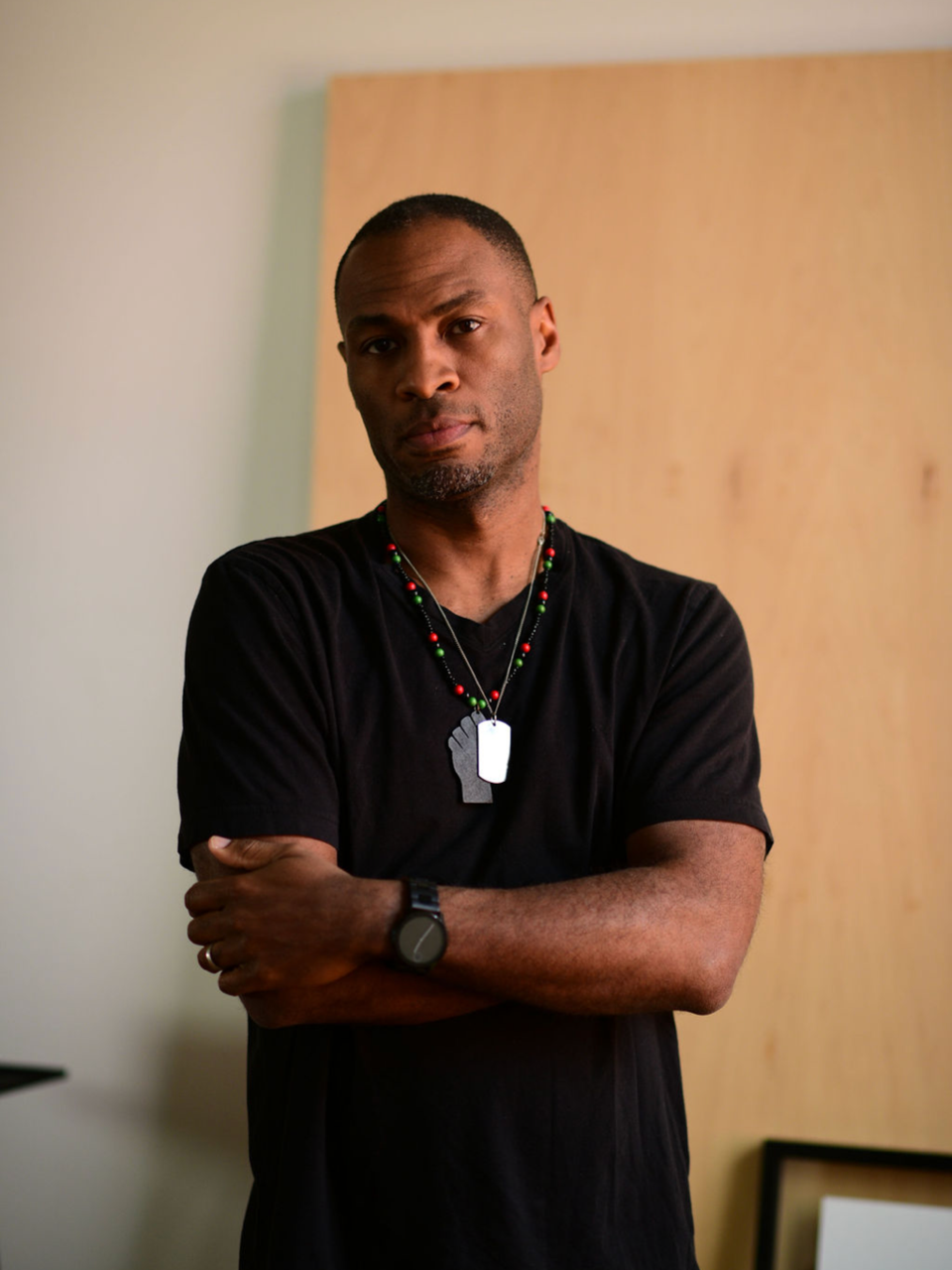
Mark V. Campbell (Afrosonic Innovation Lab)
Mark V. Campbell [aka DJ Grumps], founder at Northside Hip Hop Archive, is a DJ, curator and scholar. He has performed on multiple continents and has curated exhibitions globally. Mark has published several books including Afrosonic Life, We Still Here: Hip Hop North of the 49th Parallel and Hip-Hop Archives: The Politics and Poetics of Knowledge Production. He is founder of the Afrosonic Innovation Lab.
Photo © Celeste Cole
-
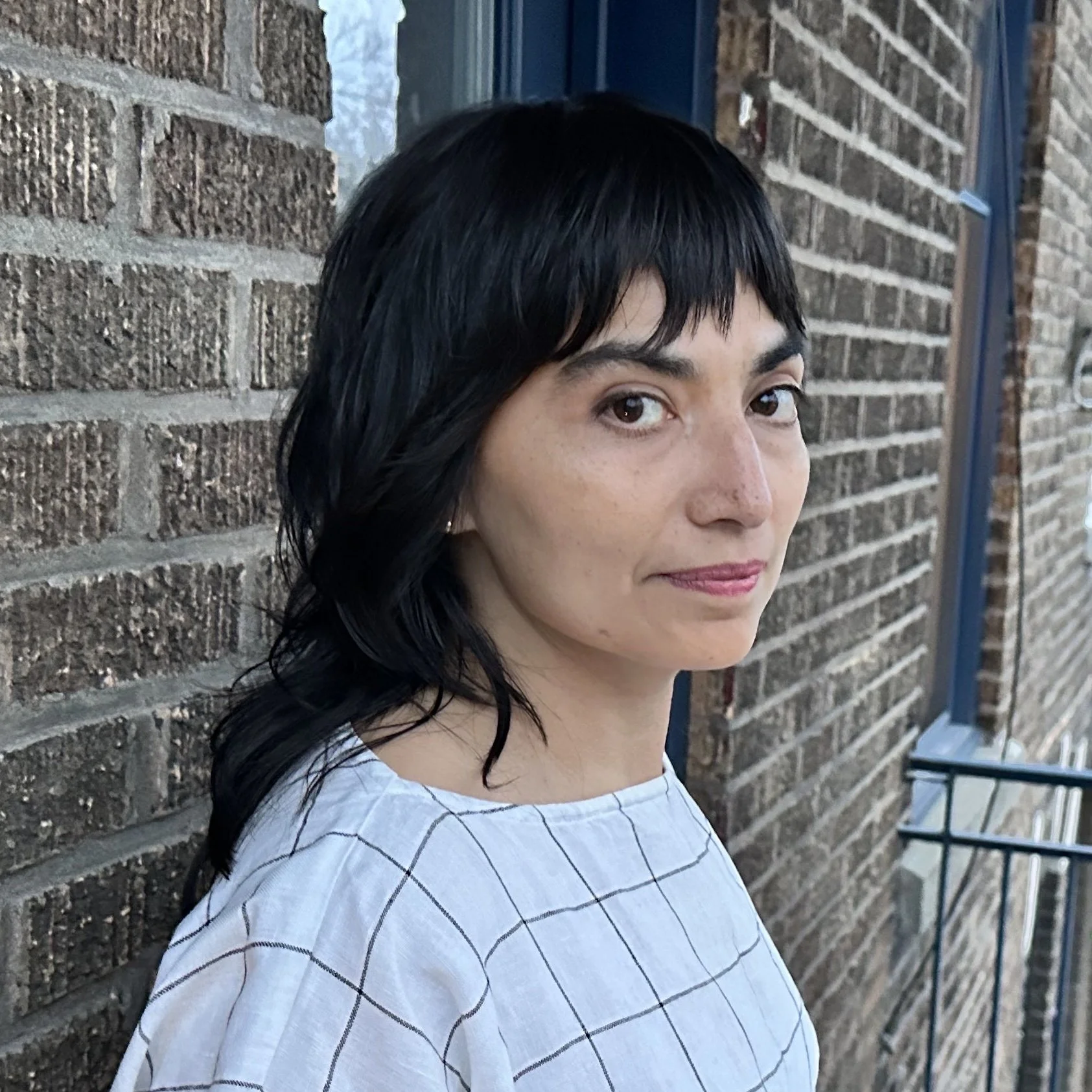
Abigail E. Celis (Université de Montréal)
Abigail E. Celis is an assistant professor in Art History and Museum Studies at the Université de Montréal (Tiohtià:ke). Her research focuses on the afterlives of colonialism and decolonial imaginaries as witnessed through contemporary visual culture, artistic creation, and museum practice.
Photo © T. Heller
-

Mariama Conteh (Transplantation Project)
Mariama Conteh est une artiste vivant et travaillant en Ile-de-France. Après des études à Sciences Po Paris, La Sorbonne Paris IV et Mount Holyoke College (Massachussetts), elle obtient son diplôme d’expression plastique des Beaux-Arts de Cergy en 2025. Son travail a été exposé à Marseille, Paris, Saint-Denis, Miami et Athènes. Elle est membre fondatrice de l’association Transplantation Project, et travaille à l’élaboration de ce centre culturel afro-diasporique depuis ses débuts en 2019. Elle travaille aux programmes artistiques et publics de ce lieu établi dans le nord-est de Paris. Depuis 2023, elle participe au projet de recherche et d'humanités digitales "L'art noir: cartographies for an emerging field" sous la direction d'Abigail Celis à l'Université de Montréal.
Photo © Raphaël Massart
-
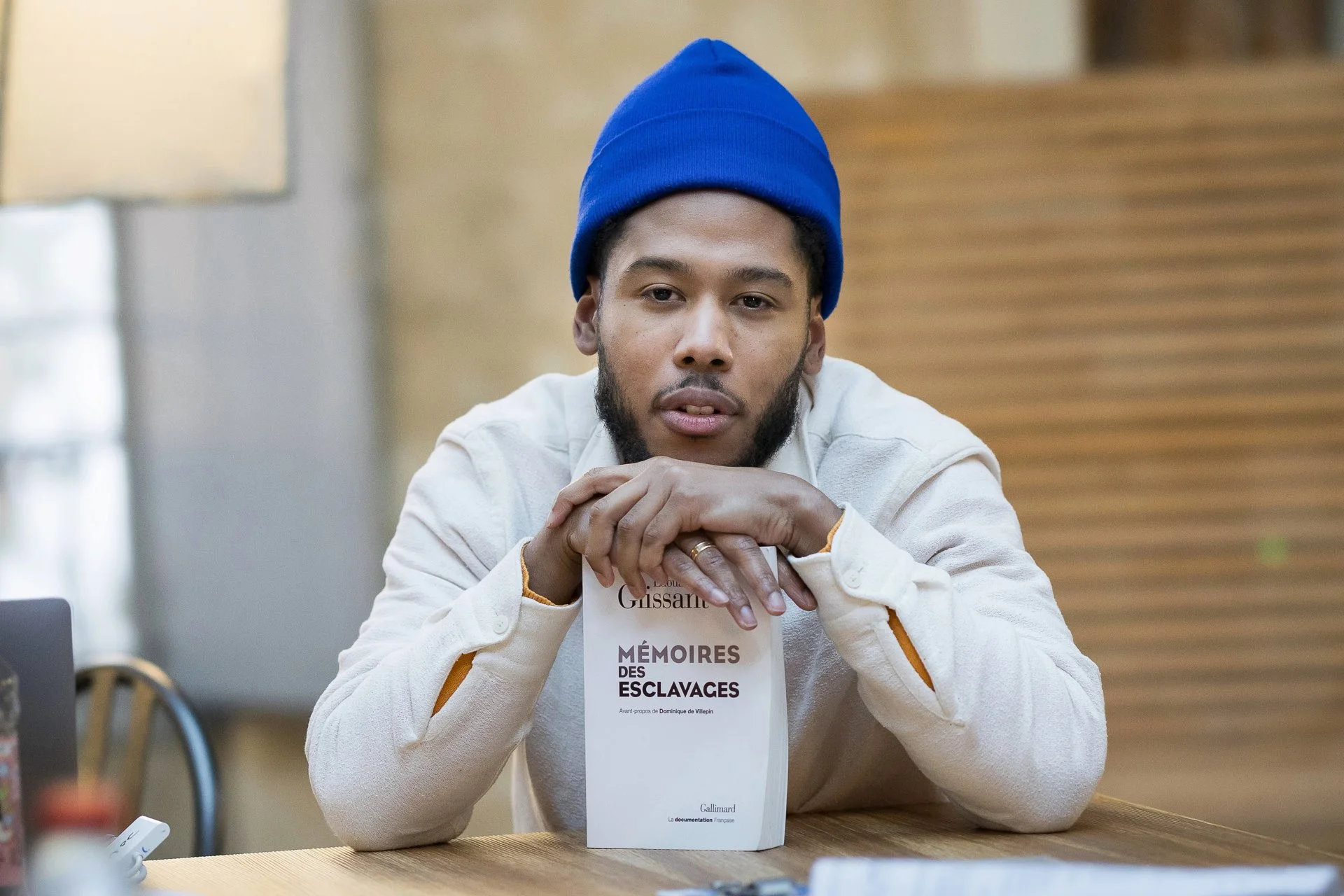
Chris Cyrille (New York University, Mangrovity Art Fund)
Chris Cyrille est poète, critique d’art, performeur, curateur et philosophe. Il publie régulièrement dans des revues et catalogues. Lauréat du Prix Dauphine pour l’art contemporain (2017), du prix AICA (2020), de la bourse curatoriale du Cnap et de la bourse ADIAF Émergence (2022), il a conçu de nombreuses expositions et événements, parmi lesquels la réactivation du Second Congrès des Écrivains et Artistes Noirs de 1959 lors d’une résidence à la Villa Romana (2023), ou encore l’exposition — Mais le monde est une mangrovité (2021), qui a donné lieu à un livre éponyme co-écrit avec la chercheuse en esthétique Sarah Matia Pasqualetti et publié en 2023 chez Rotolux Press. Sa recherche, qui articule pratiques curatoriales et réflexion philosophique, explore les philosophies afro-caribéennes et plus précisément la phénoménologie caribéenne, à la croisée de la poésie, de l’esthétique et du politique.
Photo © Arthur Pequin
-

Kimberley Demagny (arTech education - Caribeart)
Kimberley Demagny, from Guadeloupe, is a consultant, researcher, and entrepreneur bridging culture and technology. She founded arTech Education, the first Global South training center on art and tech, Caribeart mapping Caribbean creatives, and co-founded SynapseZone. She empowers creatives regionally and internationally to embrace innovation and shape the digital future.
Photo © Jessica Laguerre
-
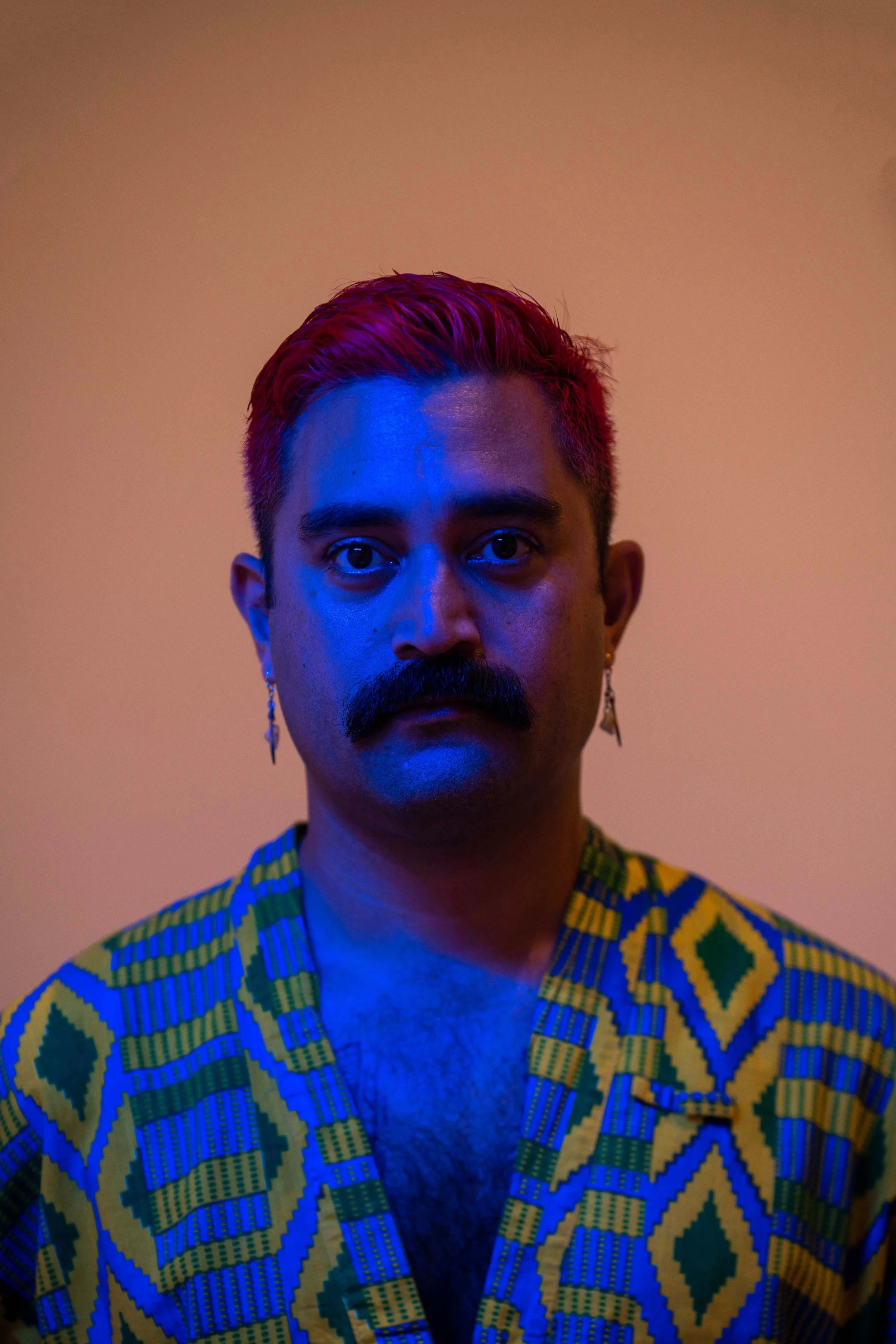
Léuli Eshrāghi (Conservateurice des pratiques autochtones, Musée des beaux-arts de Montréal)
Léuli Eshrāghi appartient aux clans sāmoans Seumanutafa et Tautua et à la diaspora persane, et vit et travaille à Montréal, Québec, Canada. Sa démarche privilégie l’art et le design, les langues sensuelles et parlées, et les pratiques cérémonielles-politiques autochtones, noirs et asiatiques.
Photo © Rhett Hammerton
-
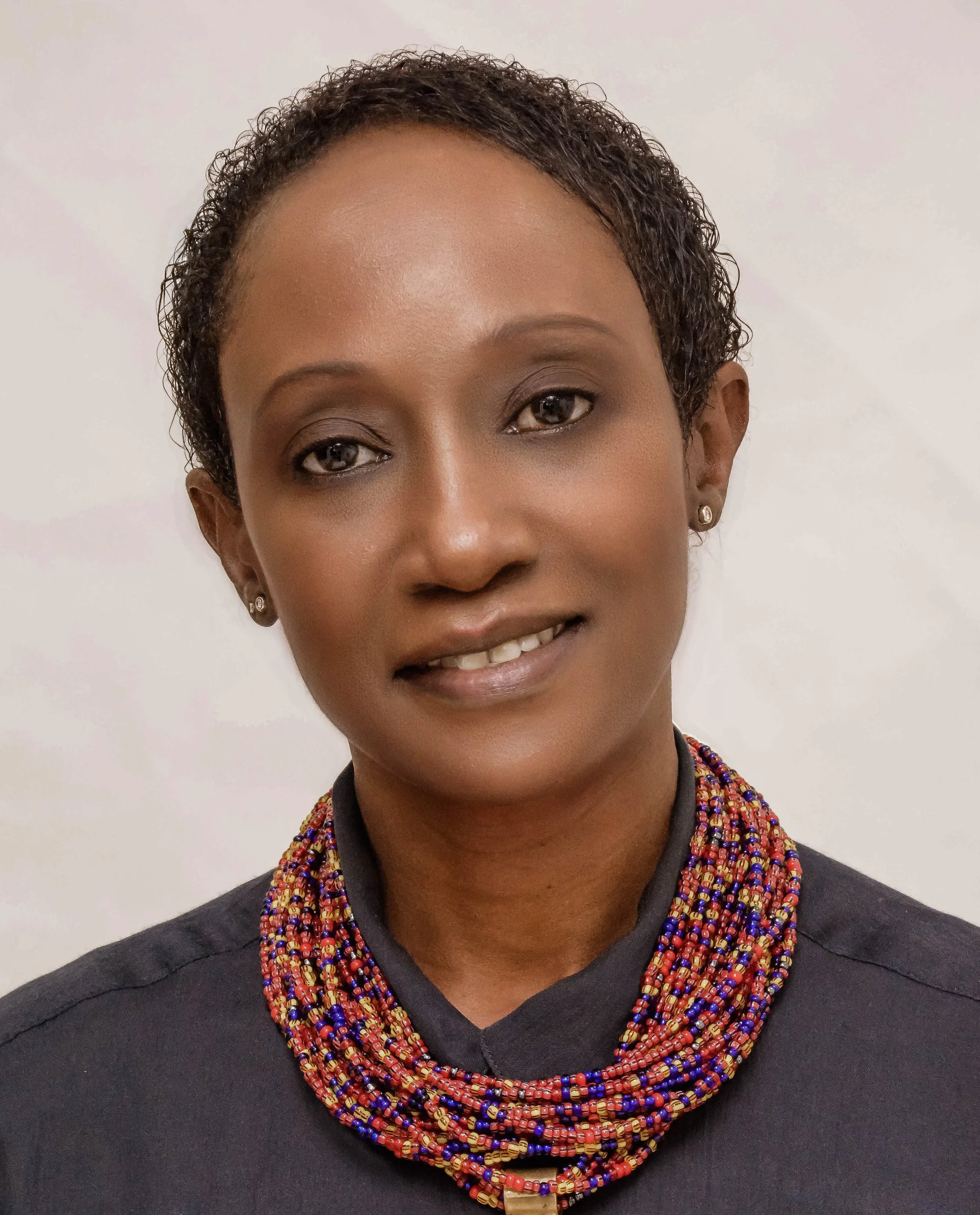
N'Goné Fall
N'Goné Fall est commissaire d'exposition et spécialiste en ingénierie culturelle. Elle a été directrice de la rédaction de Revue Noire (1994 – 2001). Elle a été Commissaire générale de la Saison Africa2020, plus de 1 500 événements culturels, scientifiques et pédagogiques dans 210 villes en France (2020 – 2021).
Photo © F. DIOUF Photography
-

Dominique Fontaine
Dominique Fontaine est commissaire d’exposition, engagée dans l’exploration du rôle social de l’art dans un monde pluriel. Elle est titulaire d’une maîtrise en muséologie de l’Université de Montréal, ainsi que de diplômes en administration des arts et en arts visuels de l’Université d’Ottawa. Elle a également poursuivi des études supérieures en conception et en organisation d’expositions au centre d’art De Appel à Amsterdam. En 2024, elle a été cocommissaire de la Biennale de Toronto. Elle est codirectrice et coautrice de l’ouvrage collectif Making History: Visual Arts and Blackness in Canada (2023). Dominique Fontaine est lauréate 2021 du Mois de l’histoire des Noirs de la Ville de Montréal.
Photo © Kétiana Bello
-

Billy Fowo (SAVVY Contemporary)
Billy Fowo is a curator and writer with points of interest in various fields such as the sonic, linguistics, and literature. He graduated from de Appel’s Curatorial Programme in 2023 and lives in Berlin, where he works for SAVVY Contemporary – The Laboratory of Form-Ideas.
Photo © Marvin Systermans
-
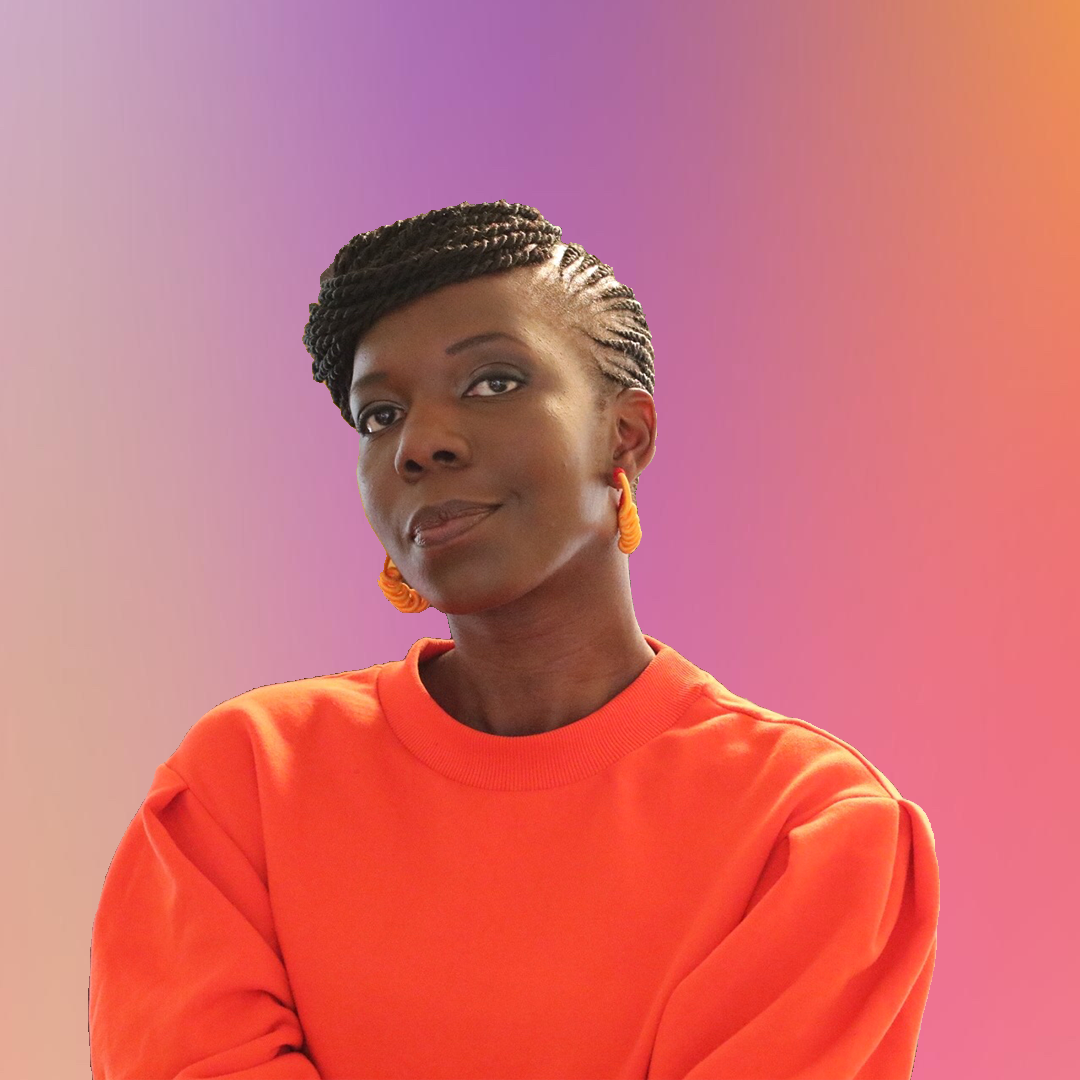
Elisabeth "Liz" Gomis (Mansa - Maison des Mondes Africains)
Après un parcours dans les médias, Elisabeth "Liz" Gomis dirige MansA – Maison des Mondes Africains depuis 2024. "Femme de culture" (2022) et Chevalière des Arts et des Lettres (2023), elle a fondé la revue OFF TO et collaboré avec Chanel, Apple et d’autres acteurs internationaux.
Photo © Liz Baco
-

Nadine Hounkpatin (www.TheArtMomentum.com)
Nadine Hounkpatin est productrice et commissaire d'exposition indépendante. Sa pratique, ancrée dans une perspective critique et transculturelle, interroge la manière dont les artistes réinventent les héritages et ouvrent de nouveaux horizons. Co-fondatrice de la plateforme TheArtMomentum, elle oeuvre pour la visibilité des créativités africaines et diasporiques. Elle est commissaire associée de la prochaine édition 2026 du Prix Découverte des Rencontres d’Arles.
Photo © Chiara Santarelli
-

Satch Hoyt
Satch Hoyt is a spiritualist, a believer in ritual and retention. A visual artist and a musician, his diverse and multifaceted body of work - whether sculpture, sound installation, painting, musical performance, or musical recording - is united in its investigation of the “Eternal Afro-Sonic Signifier” and its movement across and amid the cultures, peoples, places, and times of the African Diaspora. Those four evocative words (a term coined by Hoyt) refer to the “mnemonic network of sound” that was enslaved Africans’ “sole companion during the forced migration of the Middle Passage.”1 lt was, and is, a hard-won somatic tool kit for remembering where you come from and who you are - and maybe, where you’re going - against all the many odds.
Photo © Muhammad Salah
-
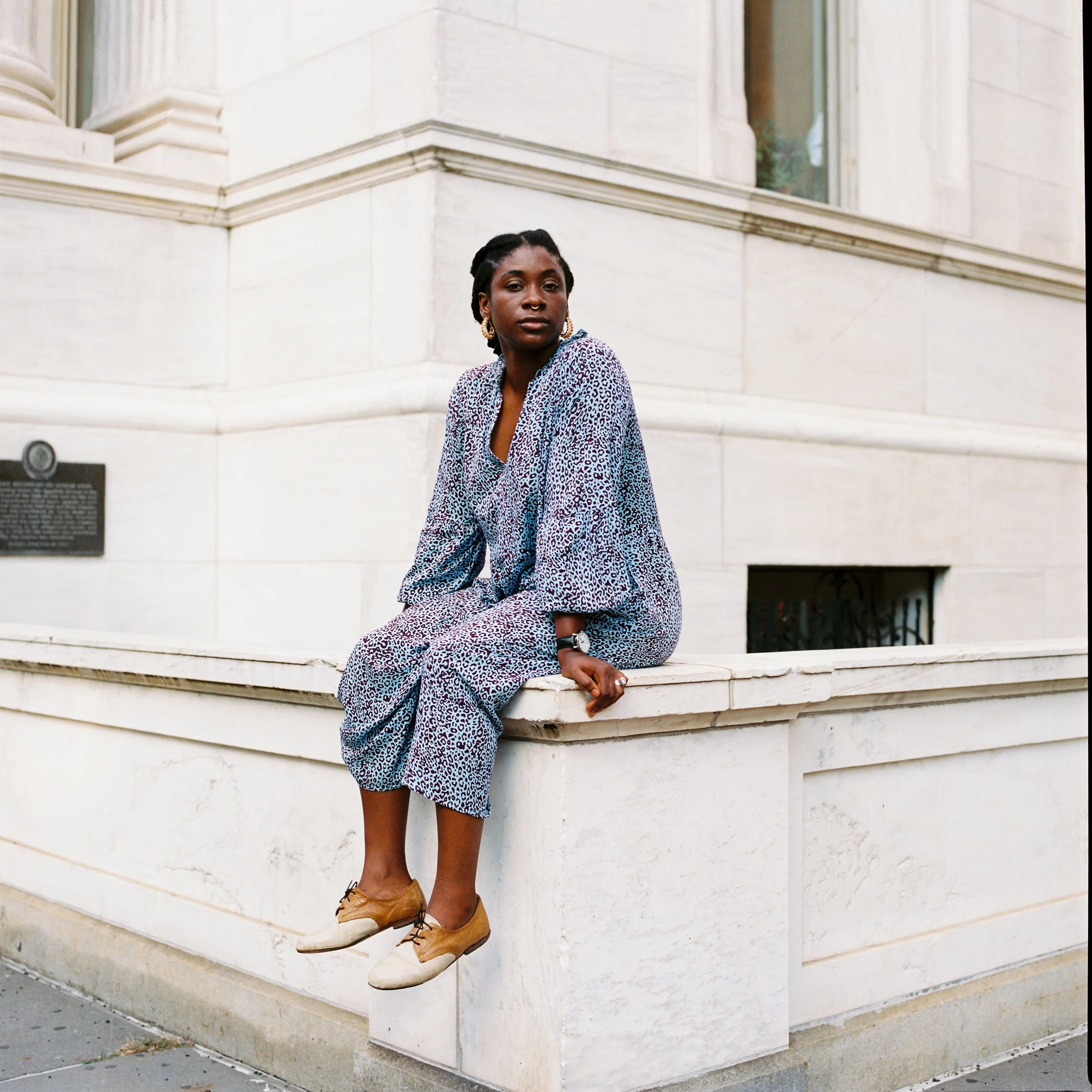
Anique Jordan (Parsons, The New School)
Anique Jordan is an artist, writer and curator who looks to answer the question of possibility in everything she creates. As an artist, Jordan works in photography, sculpture and performance often employing the theory of hauntology to challenge historical or dominant narratives and creating, what she calls, impossible images.
Photo © Stanley Collins
-
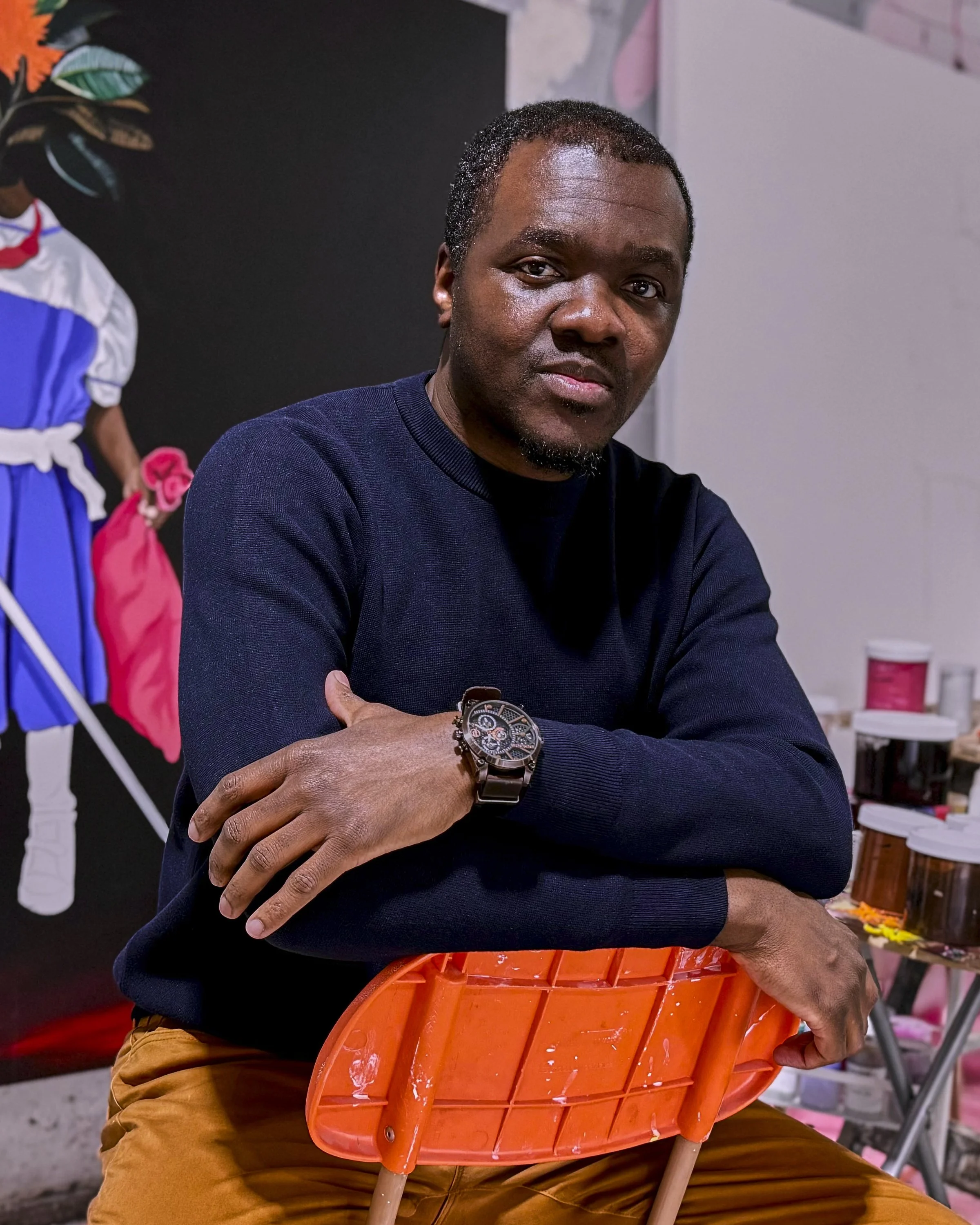
Moridja Kitenge Banza
Moridja Kitenge Banza, né à Kinshasa en 1980, est un artiste canadien d’origine congolaise. Diplômé à Kinshasa, Nantes et La Rochelle, il reçoit le 1er prix Dak’Art 2010 pour Hymne à nous et De 1848 à nos jours, puis le Prix Sobey 2020. Son œuvre explore mémoire, histoire et territoires.
Photo © Moridja Kitenge Banza
-

Yaniya Lee
Yaniya Lee is the author of Selected Writing on Black Canadian Art (2024). She has taught and written about art for universities, museums, and institutions across North America and Europe. Her recent projects include the Black Canadian Art History Scholarship Database (blackartstudy.ca) and Doing the Work: Selected Syllabi (greyzonepedagogies.com).
Photo © Yuula Benivolski
-

Mallory Lowe Mpoka
Mallory Lowe Mpoka (b.1996) is a Cameroonian-Belgian artist based in Montreal. Her expanded photographic practice explores memory, place, and identity through weaving, ceramics, and sculpture. Engaging personal archives and colonial legacies, her work bridges continents and histories. She has exhibited internationally and is currently presenting a solo show at Fonderie Darling during Momenta Biennale in 2025.
Photo © Odéon Davis
-

Michèle Magema
Michèle Magema, née en République démocratique du Congo en 1977, est une artiste visuelle franco-congolaise. Sa pratique interdisciplinaire — vidéo, performance, photographie, dessin et installation — interroge les récits et la mémoire des histoires coloniales, les transmissions orales et les féminismes intersectionnels et décoloniaux. Lauréate du premier prix de la Biennale de Dakar (2004), elle a exposé à l’international (Brooklyn Museum, NY – Centre Pompidou, FR – Hayward Gallery, GB – Mori Art Museum, JP – Bozar, BE) et ses œuvres figurent dans des collections majeures (AfricaMuseum, BE – Musée Rietberg, CH – Fondation Sindika Dokolo, AN – FRAC Réunion, FR). Cofondatrice de l’espace USANII, elle est aussi commissaire d'exposition et enseignante. Professeure invitée à l’UQAM en 2023-2023, elle y poursuit un doctorat en création.
Photo © UQAM- Émilie Tournevache
-
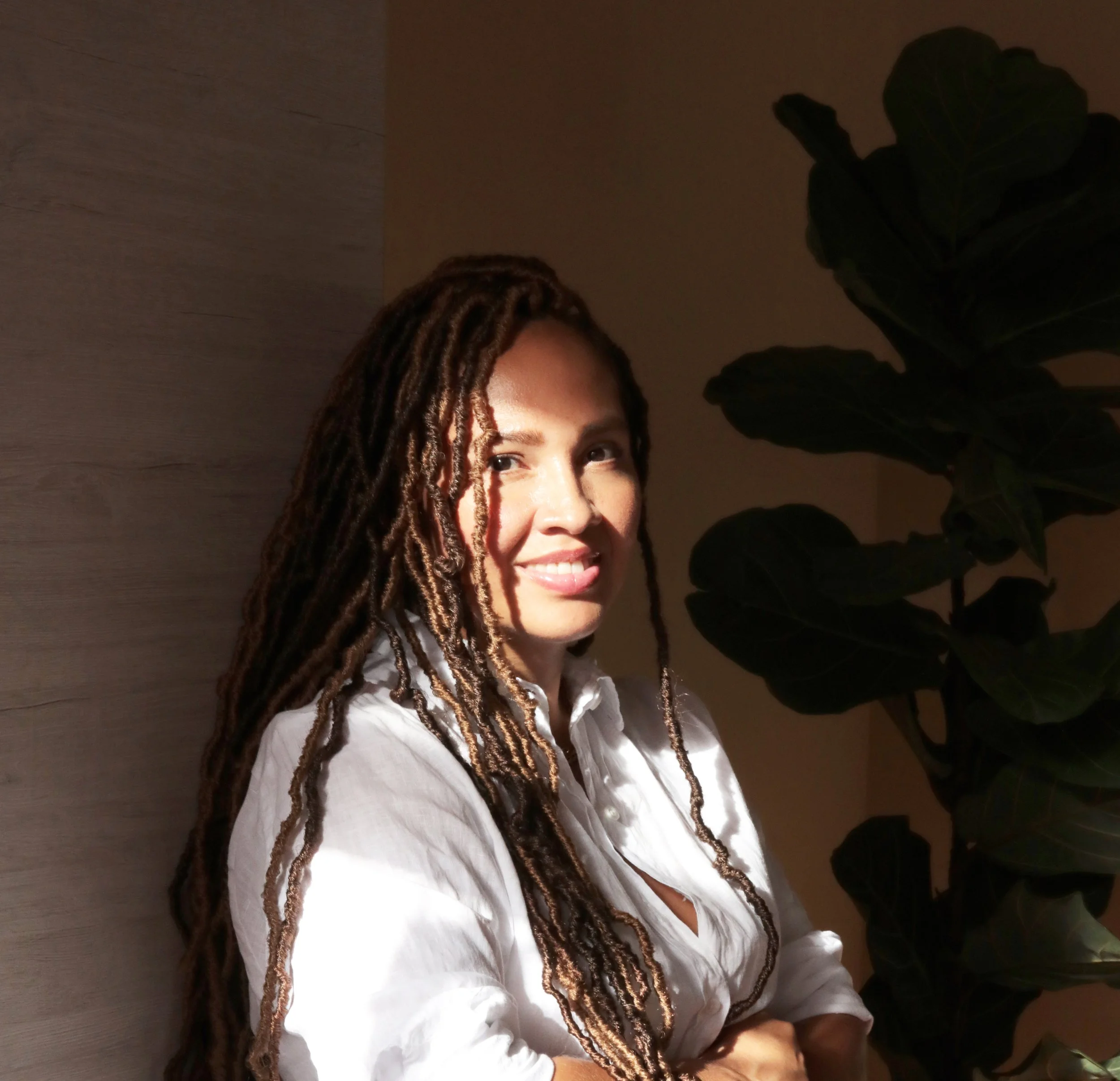
Edna Martinez
Edna Martinez is a DJ and curator from the Colombian Caribbean based in Berlin. She works at the intersection of electronic music, sound experimentation, and diasporic memory, engaging with Caribbean, Latin American, and Arabic musical narratives. Since 2018, she has developed curatorial projects that combine live music, DJ sets, gastronomy, and documentary audiovisual works, creating immersive experiences that connect communities, preserve memories, and foster intercultural exchange.
Photo © Valery Amor
-

Melissa J. Nelson (Black Memory Collective)
Melissa J. Nelson is an award-winning archivist and educator working in the field of Black archival practice. Her work centers Black being and belonging in the Archives to support collective healing and liberation movements. She is guided by critical and creative praxis to reimagine the Archives as sites of Black joy. Melissa is the Founder and Creative Director of the Black Memory Collective. She is also the Creator and Host of the podcast, Archives & Things. Melissa holds a Master of Information Studies from McGill University. She received a Bachelor of Arts (Hons) in History, with a minor in Sociology, from Carleton University.
Photo © Anthony Gebrehiwot
-
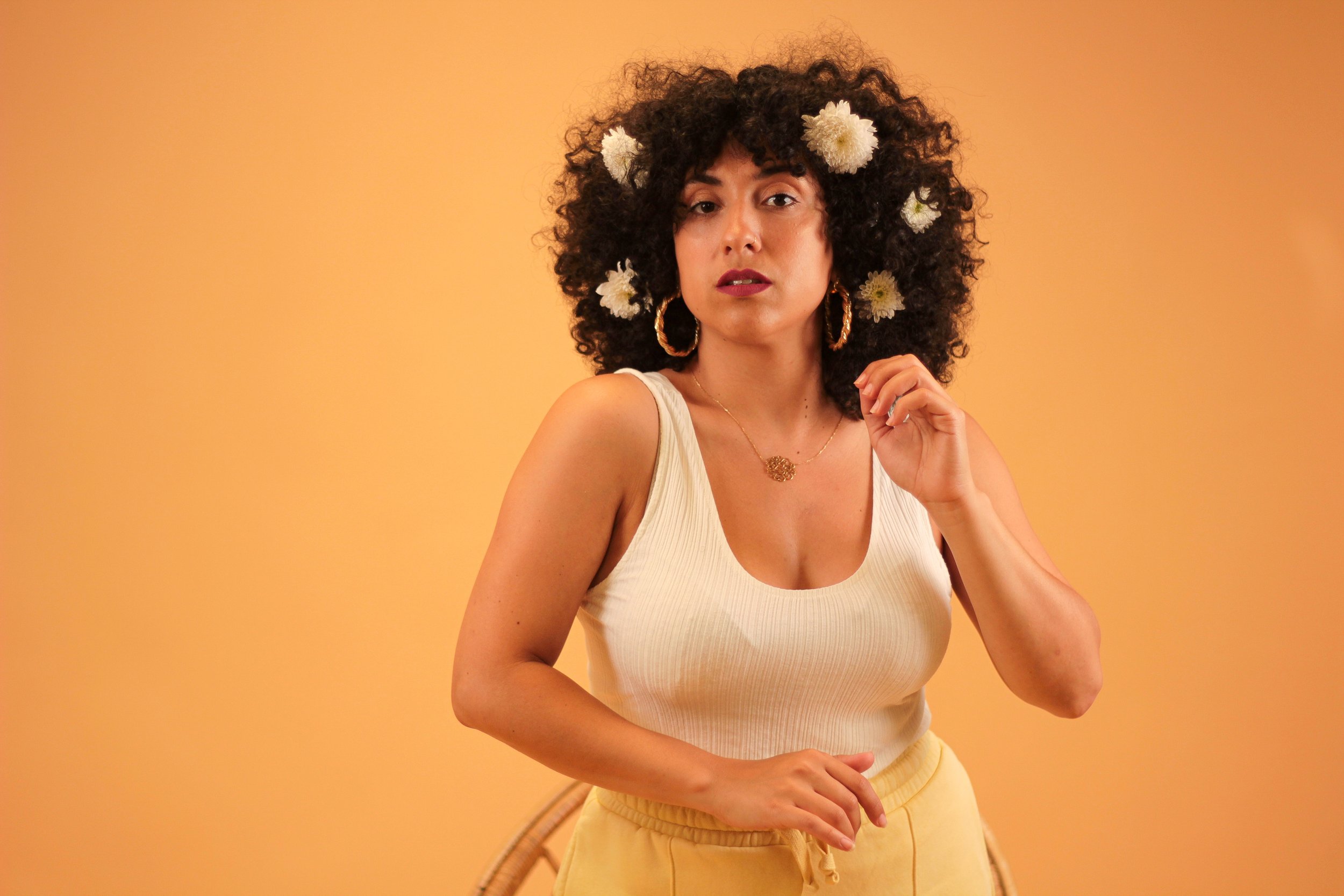
NouN (structure RVSD)
NouN est une artiste visuelle. Elle vit et travaille entre Paris et la Guyane. Elle explore plusieurs disciplines dont la peinture, le dessin, la photographie. Dans son travail elle aborde le rapport aux corps et à la construction de nos regards sur l'autre. Elle se questionne sur : la représentation des corps, un regard féministe décolonial et nos identités multiples.
Photo © Rvsd
-

Zohra Opoku
ZOHRA OPOKU b. 1976, Altdöbern (former GDR/ East Germany); lives and works in Accra, Ghana. Zohra Opoku’s multidisciplinary practice explores identity, memory, and belonging through photography, textiles, and installation. Born in East Germany and based in Accra, she bridges her dual heritage by merging traditional craftsmanship with experimental processes. Using screen-printed images on natural fabrics, embroidery, and collage, she constructs layered narratives rooted in personal and cultural history. Her work reflects the emotional landscapes of the African diaspora, transforming intimate experiences into universal reflections. Exhibited internationally, Opoku’s art has been shown at institutions including Tate Modern, Zeitz MOCAA, Louvre Abu Dhabi, and the Brooklyn Museum, and is held in major public collections worldwide.
Photo © SoFraiche Media
-

Ronald Rose-Antoinette (in the shade)
Ronald Rose-Antoinette is a Martinican scholar and independent curator interested in advancing creative experiments in decolonial, cross-cultural practice. In recent years, he has helped organize numerous talks, workshops, film programs, and exhibitions centering the practices of visual, sound and performance artists in Canada, Germany, France, Martinique, and online. He is the co-author of Nocturnal Fabulations, a book that examines the works of the Thai filmmaker, Apichatpong Weerasethakul.
Photo © Ronald Rose-Antoinette
-
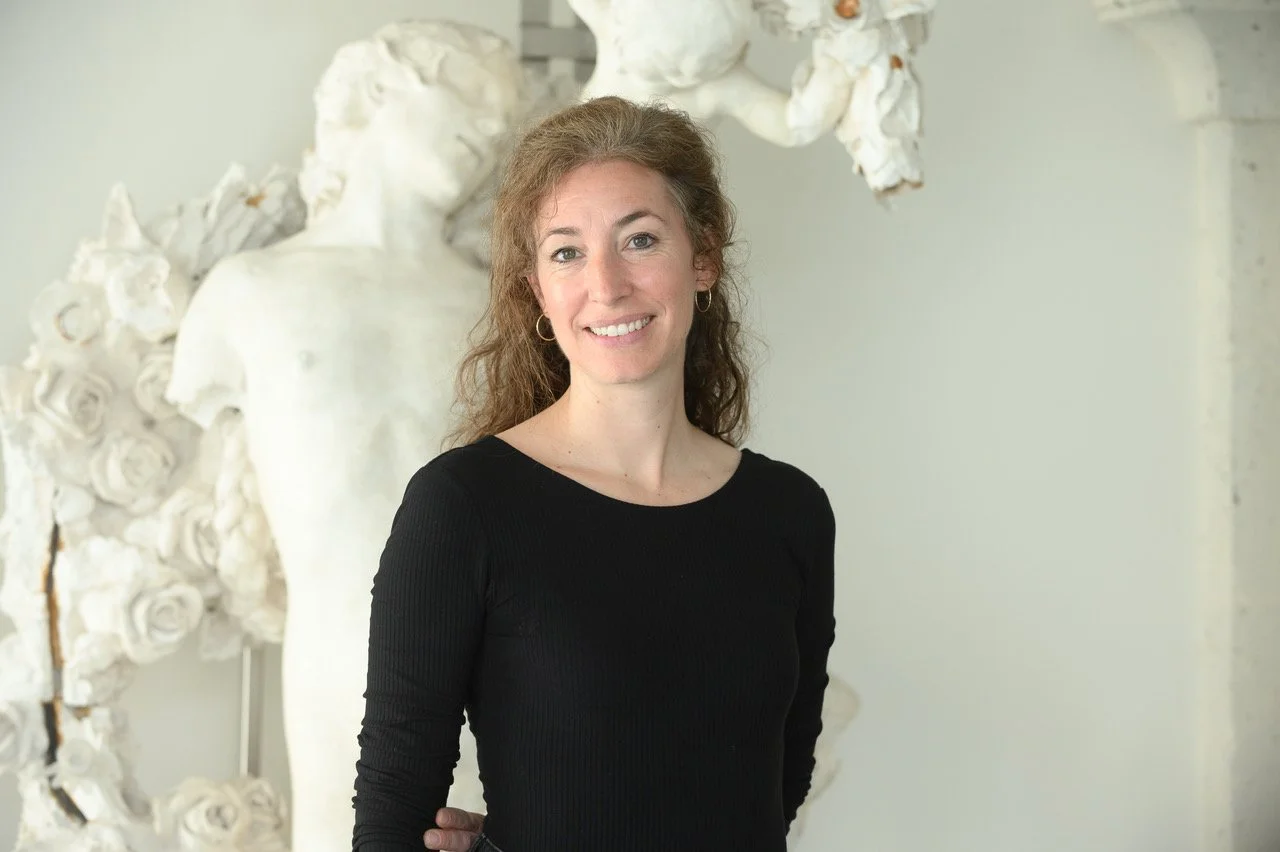
Emilie Salaberry (Musée d'Angoulême)
Diplômée en histoire de l’art (École du Louvre et Université Panthéon-Sorbonne, spécialisée en arts africains), elle a exercé au Centre du Patrimoine mondial de l'UNESCO (Unité Afrique) puis comme chargée des collections extra-européennes au Musée d'Angoulême. Aujourd’hui directrice du service des musées, archives et artothèque d’Angoulême, elle mène ses missions de conservateur dans un cadre collaboratif international, notamment avec plusieurs pays africains. Elle s’est investie dans la recherche sur l’histoire des collections extra-occidentales, leurs provenances et les enjeux de restitutions du patrimoine.
Photo © Musée d'Angoulême
-
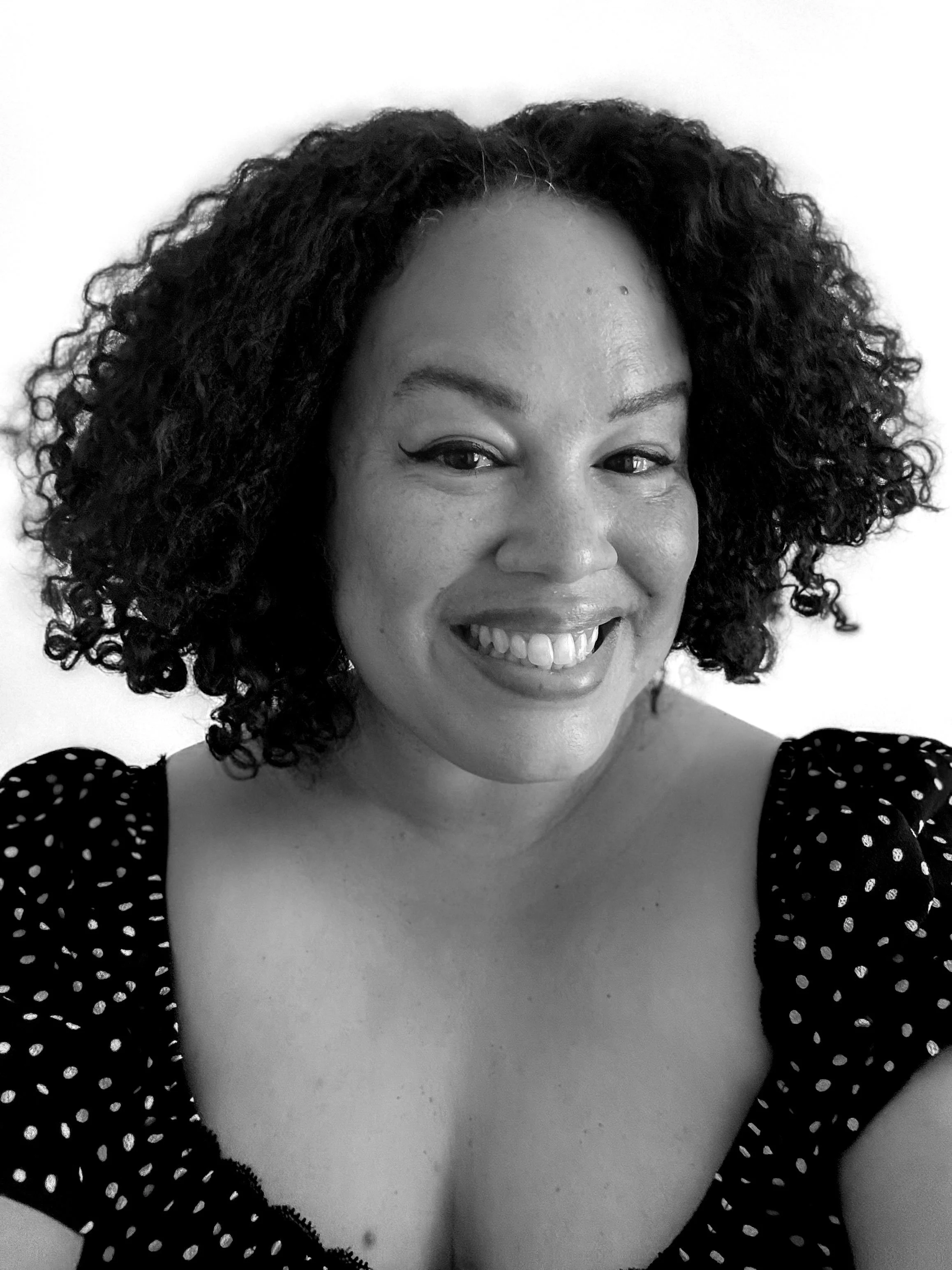
Safia Siad (Afrosonic Innovation Lab)
Safia Siad is a curator, scholar, and DJ with a practice centered in deep listening. As a founding member of the Afrosonic Innovation Lab, Siad operates at the intersections of the visual and audio poetics of the African diaspora. Her deep listening sessions have taken place in Montréal, Florence, Toronto, and Banff, while her writing has appeared in C Magazine and in multiple exhibition catalogues. She recently completed her SSHRC funded Master of Arts (Art History) at Concordia University and is currently a curatorial fellow with Gallery TPW.
Photo © Safia Siad
-

T2i (structure RVSD)
T2i est un auteur, compositeur, interprète, il vit et travaille à Roura en Guyane. Il est aussi designer graphique de formation et réalisateur, l’image a toujours été un terrain de jeu pour lui. Il fait tout maison, de la conceptualisation des mélodies jusqu’à la réalisation de ces clips avec une forte identité afro-amazonienne.
Photo © NouN
-
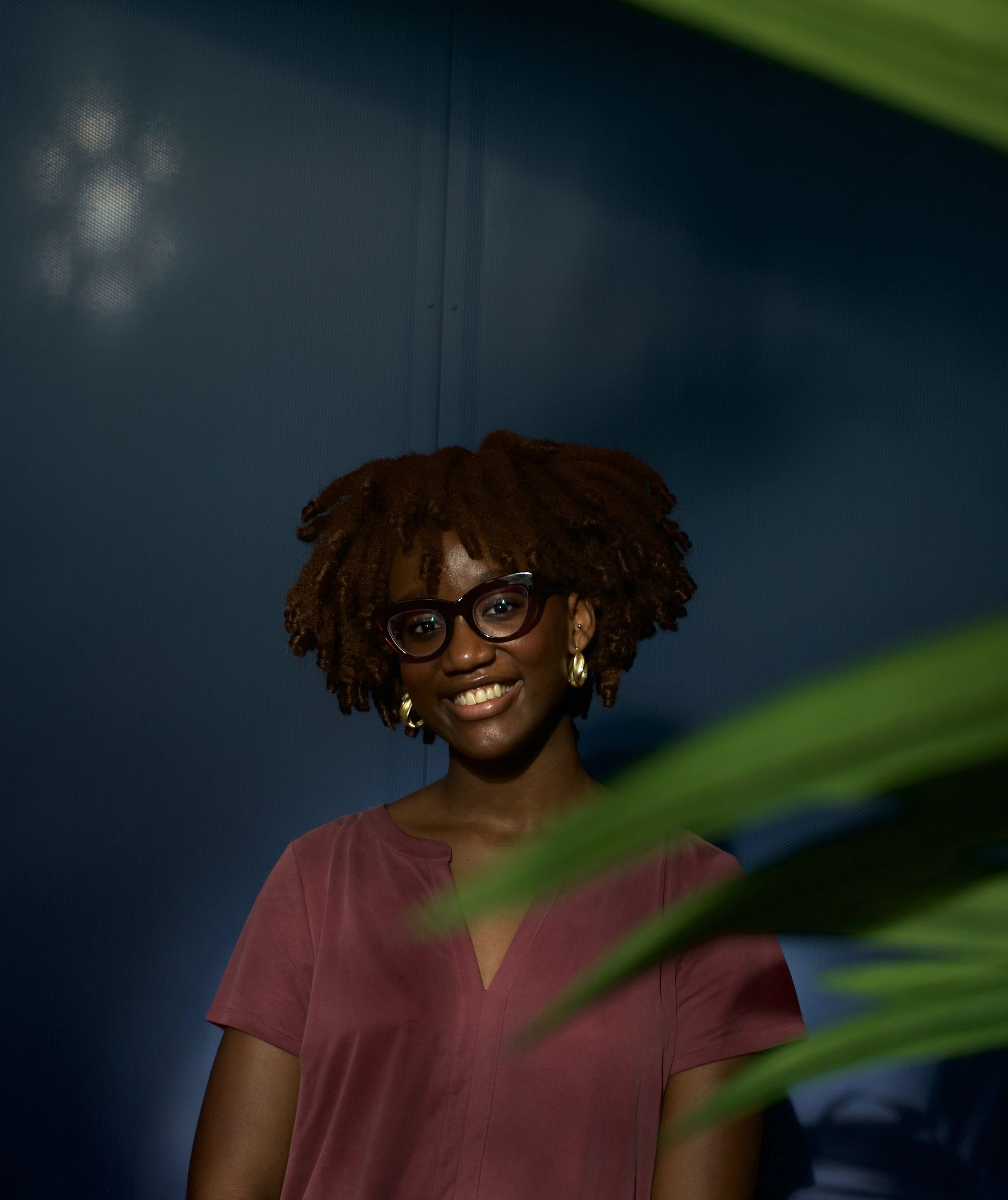
Ethel Tawe
Ethel-Ruth Tawe (b. Yaoundé, Cameroon) is an antidisciplinary artist and creative researcher exploring memory in Africa and its diaspora. Image-making, storytelling, and time-travelling compose the framework of her inquiry. From photography, collage, and text, to moving image, installation and other time-based media, Tawe examines culture and technology often from a speculative lens. Her burgeoning curatorial practice took form in an inaugural exhibition titled 'African Ancient Futures', and continues to expand in a myriad of audiovisual experiments. She is currently Editor-in-Chief at the arts and culture platform Contemporary And (C&) Magazine.
Photo © Courtesy of the artist
-

theo tyson (Museum of Fine Arts Boston)
theo tyson is an intuitive and inclusive curator who invites conversations about the sociocultural implications of race, class, gender, identity, and sexuality through a lens of fashion, art, and culture. tyson’s practice centers historiography that privileges and provides authority to the global majority – those previously labeled as underrepresented or marginalized.
Photo © Frances Neyra Claudio
-

Daphnée Yiannaki (Université du Québec à Montréal)
Daphnée Yiannaki, muséologue et historienne de l’art allochtone, poursuit un doctorat en muséologie, médiation, patrimoine, sur les processus d’autochtonisation et de décolonisation des musées d’art. Récipiendaire d’une bourse du FRQSC, elle est, entre autres, secrétaire des Cahiers du CIÉRA et assistante de recherche pour le Partenariat CIÉCO.
Photo © Sarah Cousineau